





Jumpform v slipform
Contents |
[edit] Introduction
Jumpform and slipform are both systems of concrete construction that use a self-climbing formwork to construct multi-storey structures, typically building cores and shafts, as well as chimneys and silos. They are both climb-form systems.
In both cases, formwork into which concrete is poured, climbs vertically up the structure being constructed; sometimes this is from power provided by hydraulic rams and electric motors and can mean that craneage is reduced to a minimum. Both systems feature one or more decks or platforms surrounding the construction for workers to carry out the necessary operations as construction proceeds, such as pouring and monitoring concrete compaction, placing reinforcement and finishing the concrete.
Whether slipform or jumpform, the formwork is supported on the concrete that has already been cast below it, so it does not rely on support from other parts of the building; this allows the shaft or core to progress ahead of the rest of the building works.
However, there are important differences between the two systems in terms of operation, speed and the result achieved.
[edit] Jumpform
Typically, jumpform is used on buildings more than five storeys high, although if a fully-climbing system, it can be applied to 20-storeys and more.
Jumpform is characterised by progression in a series of steps or ‘jumps’, progressing to the next section only after the concrete in the previous one has achieved the necessary strength. For example, after a 2m section has been poured and set, the formwork is ‘jumped’ to pour the next 2m section. The system is particularly suited to situations where the resulting joints between jumps will be concealed at every level e.g by the floors of a building.
Jumpform can be very productive, fast and efficient yet minimise the labour required and craneage costs. There are three main type of jumpform:
- Normal – involves formwork that is lifted off by crane and reattached at the next level above.
- Guided – similar to the normal method above but units remain anchored to the structure during the raising operation by crane. This method can be safer and more controlled.
- Self-climbing – this type of jumpform is raised on rails and so does not require a crane.
There could also be trailing platforms and screens that can be used to help workers apply any required finishing to the concrete or retrieve anchors used on the pour below.
Jumpform systems are highly engineered and so can be quickly and accurately adjusted in all planes. However, they depend on the availability of a skilled workforce on site.
[edit] Slipform
Slipform is a continuous pour system involving a self-climbing formwork that supports itself on the core or shaft being constructed, moving slowly over the concrete as it is cast in a continuous, monolithic pour. It can be used to achieve tapered structures with walls of diminishing thickness and is regarded as being more economical when used for structures over seven storeys high.
Slipform typically has three platforms – a lower platform for concrete finishing; a middle platform at the top level of the concrete being poured, and an upper platform for storing materials.
Normally advancing at a rate of around 300mm per hour, slipform can be regarded as a method of vertical extrusion. This can result in a smooth, continuous concrete finish without any joints, an effect which may be required where the finished structure will be visible e.g bridge pylons or a chimneys. However, slipform may entail higher costs due to the required round-the-clock working until the necessary height of structure has been achieved. Like jumpform, it also requires the availability on site of a small, highly-skilled workforce.
[edit] Related articles on Designing Buildings Wiki
Featured articles
Check out some of the best features and news from Designing Buildings as well as key stories from around the web.
Building Regulations and Building Safety Act

CIOB publishes free advice for non-domestic clients.

Building Safety Newsletter from MHCLG.
An extraordinary record of steel engineering worldwide.
Households living near new pylons to save on bills.

ECA warns growth must not outpace grid capacity or skills.
The role of the client and decision making

CIOB response to built environment professions call for evidence.
Construction's sustainability reporting revolution
Tracking upfront embodied carbon with digital tools.
ECA welcomes procurement reforms

Public spending must back British jobs and skills.
Campaigning for Edinburgh: the Cockburn Association 1875-2049

The role of the civic voice in protecting character. Book review.
CIOB photography competition is open for entries.
ECA Edmundson apprentice of the year award
Finalists announced.
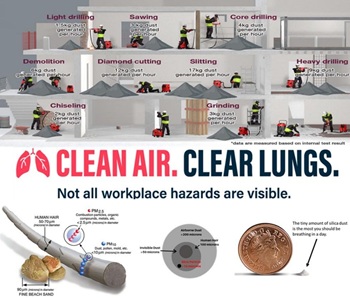
Major new study exposes serious knowledge gaps.